For several years, US AI industrial policy was easiest to understand through the CHIPS Act.
The logic was clear: advanced chips should not depend entirely on overseas supply chains. The US wanted more domestic wafer fabs, advanced packaging, equipment, and related manufacturing capability.
Markets naturally followed that line: Nvidia, TSMC's US fabs, semiconductor equipment, HBM, advanced packaging, and AI servers.
But by 2026, the bottleneck is no longer only chips.
The Bottleneck Is Moving Downstream
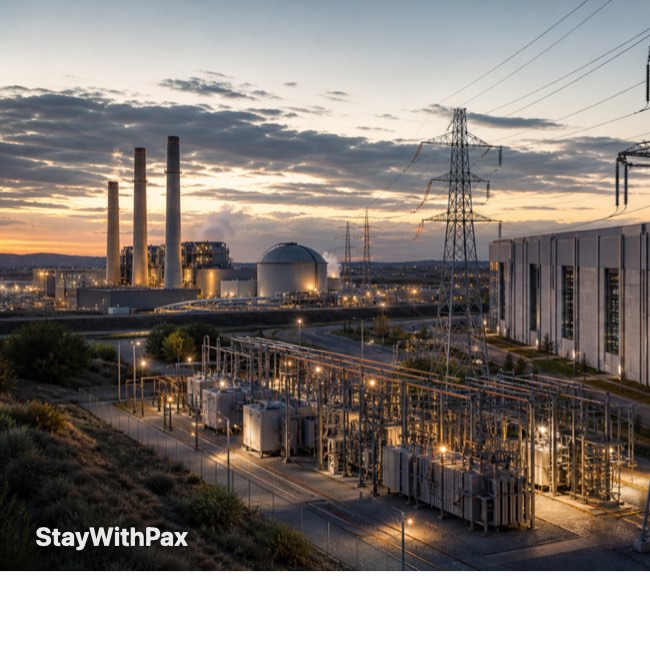
A chip does not become useful compute by itself. It needs servers, data centers, cooling, electricity, grid connection, land, permits, and long-term operating contracts.
As model demand grows, the constraint moves from the chip to the infrastructure around the chip.
Policy Is Turning Toward Infrastructure
Governments and utilities are paying more attention to data-center power demand. Large loads require grid studies, interconnection queues, transmission upgrades, substations, backup power, water or cooling planning, and local approvals.
This is slower and more local than software or chip procurement.
The Third Stage May Be Bigger
The first stage of AI investment was models. The second was chips and servers. The third is infrastructure.
This stage includes power generation, grid equipment, cooling systems, industrial construction, energy storage, and permitting capability. It may be less glamorous than models, but it can be larger and more durable.
There Are Real Obstacles
Power infrastructure is regulated, capital-intensive, and slow. Local communities may oppose new projects. Grid equipment can have long lead times. Energy prices may change. Carbon commitments may limit power choices.
This means AI expansion will depend not only on technology companies, but also on utilities, regulators, construction firms, equipment suppliers, and local governments.
Practical Takeaway
The AI story is moving into the physical world. For suppliers and investors, the next opportunity may sit in power, cooling, electrical equipment, and infrastructure execution. For buyers, the key question is whether a partner can deliver reliability, not just innovation.